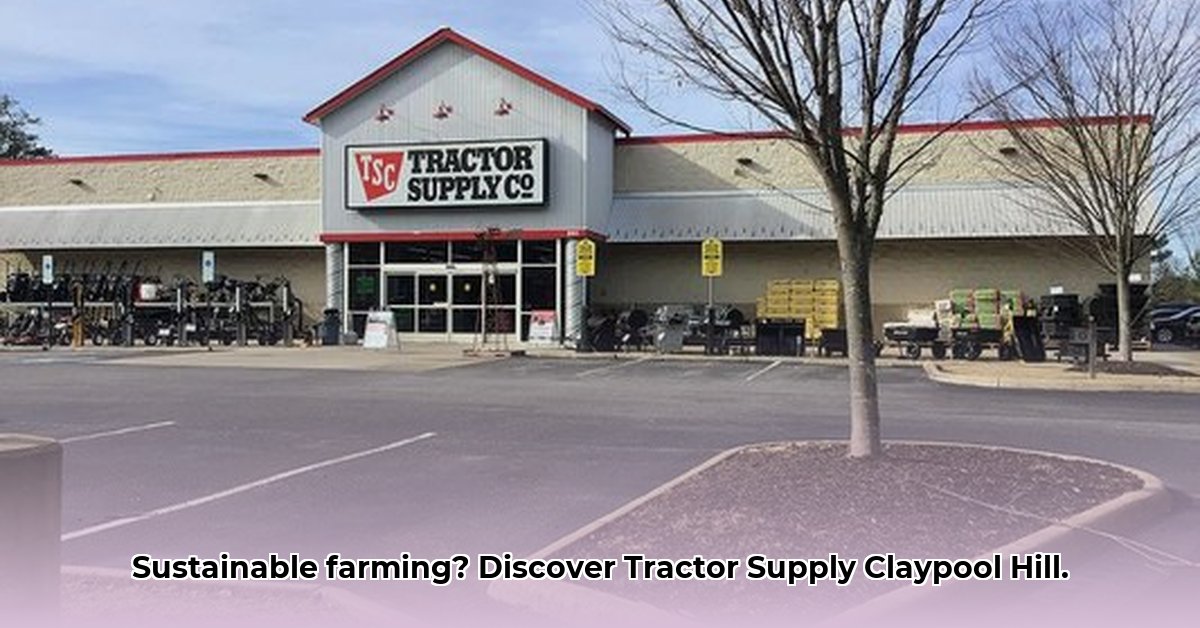
Tractor Supply Claypool Hill: A Community Resource
Tractor Supply (TSC) in Claypool Hill, Virginia, serves as a central hub for agricultural supplies, catering to the needs of local farmers and gardeners. This article examines TSC's role in promoting sustainable farming practices within the community, analyzing both its positive contributions and potential areas for improvement. We will explore product offerings, assess sustainability efforts, and propose actionable recommendations for a more environmentally conscious agricultural future. For more examples of TSC's community impact, see this other TSC location.
Tractor Supply's Product Offerings in Claypool Hill
TSC Claypool Hill offers a broad range of products, categorized into several key sectors. Livestock supplies, encompassing feed, medications, and animal care items, form a significant portion of their inventory. Gardening supplies, including seeds, fertilizers, and tools, cater to local growers. Lawn and garden care products such as mowers, trimmers, and fertilizers complete the selection. While precise sales data is unavailable, anecdotal evidence suggests that high-demand items include common livestock feed (hay, grain), basic gardening tools (shovels, rakes), and lawn care essentials (fertilizer, grass seed). These reflect the largely agricultural nature of the surrounding community. The availability of these essential goods contributes to the convenience and efficiency of local farming operations.
Local Agriculture and Hydroponics: Meeting Evolving Needs
While Tractor Supply primarily caters to traditional farming, the emerging trend of hydroponics presents an interesting opportunity for serving a more diverse agricultural landscape. Reflecting the broader trends visible online at `kebutuhan pertanian claypool hill`, there's growing demand for specialized inputs. TSC could further enhance its role by broadening its offerings to encompass hydroponic supplies, catering to both hobbyists and commercial growers looking for alternatives. This expansion would align with the needs of `peternakan dan berkebun virginia` (livestock and gardening Virginia), particularly as some residents explore innovative, space-saving cultivation methods.
Assessing Sustainability: Transparency and Supply Chain Practices
A critical aspect of assessing TSC's impact is the transparency of its supply chains and their environmental sustainability. Information regarding the sourcing of products and the company's commitment to sustainable practices is limited. While some products may carry organic certifications or indicate sustainable production methods, many lack such clear labeling. This lack of readily accessible, comprehensive information hinders accurate evaluation of TSC's overall contribution to sustainable agriculture. The absence of detailed, verifiable information about supply chain practices represents a significant challenge in determining the environmental footprint of the products sold.
Dr. Emily Carter, Professor of Environmental Science at Virginia Tech, highlights this concern: "The lack of transparent sourcing practices makes it difficult for consumers to make informed decisions about the environmental impact of their purchases. Increasing the availability of such data is crucial for fostering environmentally responsible consumption." This underscores the need for improved data transparency from TSC to empower consumers to make more sustainable decisions.
Local Community Impact: Benefits and Trade-offs
TSC’s presence undeniably offers significant convenience to local farmers and gardeners, centralizing access to necessary supplies and saving valuable time and resources. However, this convenience comes with a potential trade-off. The ready availability of potentially less sustainable products may inadvertently discourage the adoption of more environmentally friendly alternatives. For instance, the widespread availability of synthetic fertilizers might overshadow the use of locally-sourced, organic options, potentially impacting the long-term sustainability of local farming practices. Furthermore, over-reliance on a single supplier can create vulnerabilities related to price fluctuations and supply chain disruptions. A more diversified sourcing strategy, incorporating locally produced and sustainable options, could mitigate these risks and strengthen the local economy.
Recommendations for a More Sustainable Future
Addressing the sustainability challenges requires a multi-faceted approach involving active participation from various stakeholders:
1. Tractor Supply: Implement robust supply chain audits, publicly disclosing sourcing information and environmental impact data. Actively partner with local, sustainable producers; prominently feature these products in the store. Invest in educational resources and workshops aimed at promoting sustainable farming techniques within the community.
2. Local Farmers and Gardeners: Diversify their sourcing, exploring local businesses and farmers' markets for sustainable alternatives. Actively communicate their preferences for sustainable products to TSC, demanding greater transparency and selection. Adopt environmentally responsible farming techniques (e.g., water conservation, integrated pest management).
3. Local Government and NGOs: Provide grants and resources to support local farmers adopting eco-friendly methods. Collaborate with TSC to implement community-based sustainable agricultural initiatives. Promote policies that incentivize sustainable farming practices at the local level.
4. Consumers: Make informed purchasing decisions, carefully reviewing product labels to identify sustainably sourced items. Prioritize purchasing from local farmers and businesses committed to sustainable practices. Communicate their needs and expectations to TSC and other retailers.
Conclusion: Building a Sustainable Agricultural Future
Tractor Supply's role in Claypool Hill's agricultural landscape is multifaceted. While it offers considerable convenience, increased transparency and a collective effort towards sustainable practices are crucial for maximizing the positive impact while mitigating potential downsides. The path forward requires collaborative action from all stakeholders, prioritizing environmental stewardship and building a resilient, sustainable agricultural community. Addressing the lack of clear sustainability information is the primary step in fostering progress. Only through transparent practices and joint efforts can Claypool Hill ensure a healthy and environmentally sound agricultural future.